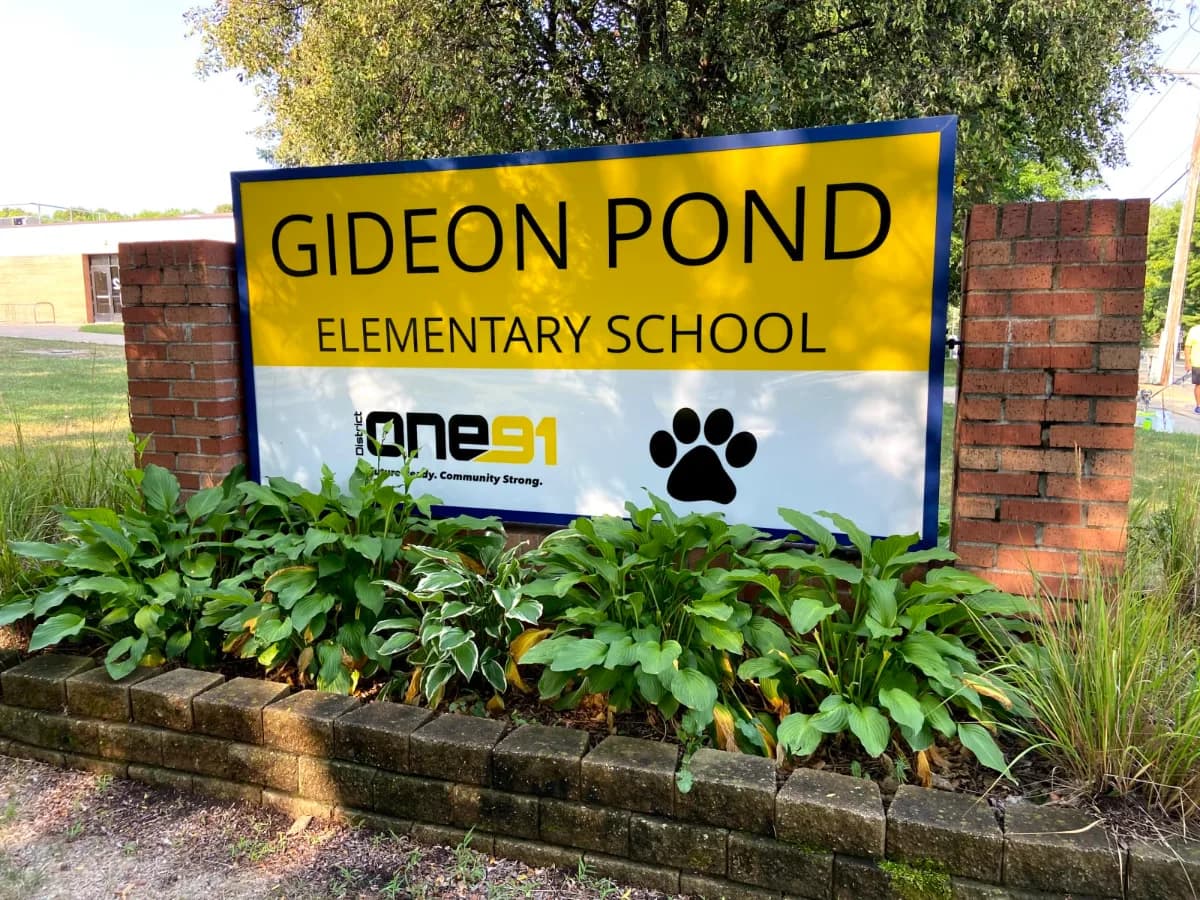
Burnsville's Gideon Pond Elementary Earns Minnesota School of Excellence Honor
TLDR
Gideon Pond Elementary in Burnsville was named a 2026 Minnesota School of Excellence.
The award comes from the Minnesota Elementary School Principals' Association — a professional group, not the state education department.
Schools have to spend one to two years studying themselves, writing an improvement plan, and getting reviewed by other principals to earn it.
Gideon Pond got singled out for how it builds belonging, how it trains its teachers, and how it partners with families.
The school also says it landed on the state's Reward School list four years in a row.
Gideon Pond Elementary in Burnsville just picked up a pretty big honor. It's been named a 2026 Minnesota School of Excellence.
And no, this isn't one of those awards where you fill out a form and get a plaque. Schools work on this one for a year or two before anybody hands them anything. It's a rare bit of good news out of a Burnsville school year that's mostly been dominated by fights over what gets built near campuses.
What the award actually is
The Minnesota School of Excellence designation comes from the Minnesota Elementary School Principals' Association, or MESPA. That's a professional association of principals — not the Minnesota Department of Education. Worth knowing, because the names sound similar. MESPA does say its program is recognized by both the state education department and the national principals' association.
Here's how a school earns it. First it does a self-study, which basically means the staff digs through their own data and admits out loud what they're bad at. Then they write an improvement plan to fix those things. Then they actually do it and show results.
After all that, other principals review the application. Schools get judged on six things: leadership, vision, student learning, adult learning, how they use data to make decisions, and how they connect with the community.
So the honor isn't "this school is perfect." It's closer to "this school got serious about getting better and can prove it."
What Gideon Pond is actually doing
The stuff MESPA highlighted isn't abstract. A lot of it shows up on the school's own website.
Teachers meet in collaborative teams every week to look at how kids are doing and adjust what they're teaching. The school runs building-wide reading and math help for students who need it. And the whole place runs on a framework the kids know by heart — R-R-S, which stands for Respect, Responsibility and Safety.
There's also a lot happening outside the regular school day. A Makerspace. A music residency. An annual multicultural night. Field trips. An active PTO that funds things like teacher mini-grants and the Junior Great Books program.
Gideon Pond is a small school. About 360 kids, prekindergarten through fifth grade, per federal school data from the 2024-25 year. More than half qualify for free or reduced-price lunch, and about two-thirds are students of color. That context matters, because a big chunk of the school's work is around multilingual learner support and culturally responsive teaching.
What the principal said
Principal Salma Hussein isn't taking the credit herself.
"This recognition belongs to our entire Gideon Pond community — our students, staff, families and community," Hussein said. "We believe every student deserves to be known, loved, challenged and supported."
She added that when students trust they belong, "they begin to believe in themselves, build confidence and become who they are capable of being."
That's the whole theory of the school in two sentences. Make kids feel safe and known first. The academics follow.
The teacher side of it
The other thing MESPA flagged was how Gideon Pond develops its staff.
New teachers get mentoring, coaching and regular feedback. Experienced teachers get pushed the other direction — lead the training, mentor somebody, run a team. The school also partners with the University of Minnesota, where its veteran teachers mentor student teachers who are still learning the job.
Staff training covers restorative practices, multilingual learner supports, literacy instruction, behavior strategies and culturally responsive teaching. Which is a mouthful, but it lines up with what the school says it's trying to do in classrooms.
South metro districts have been leaning into this kind of thing lately. Neighboring District 196 is expanding Dakota language education and made personal finance a graduation requirement. Different districts, same idea — build the school around what kids actually need.
About that 97.6 percent
The school's application says 97.6 percent of survey respondents rated Gideon Pond's whole-child approach as highly effective or outstanding.
That's a great number. It's also a number without a story attached to it yet. Who got surveyed — families, staff, students, all three? How many people answered? When was it done? We don't know yet, and neither does anyone reading the original announcement.
If you're a Gideon Pond parent and you filled that survey out, you already know more than the rest of us. We've asked the school for the details and will update this if we hear back.
The Bottom Line
Gideon Pond didn't get this for one good year. It got it for grinding through a self-study, writing a plan, doing the work and letting outside principals check the receipts.
The school also says it earned the state's Reward School designation four years running before this. So this isn't a fluke.
What's still unknown: how many Minnesota schools made the 2026 list, whether District 191 is planning a celebration, and what Gideon Pond is tackling next. Burnsville families who want to see this stuff up close should watch for the school's multicultural night, and District 191 posts school board meeting dates if you want to hear the district talk about it directly.
Advertisement