Dakota County's Data Center Discussion Made One Thing Clear: The County Can't Stop Them
TLDR
The Dakota County Board spent Tuesday morning on a data center informational item — no vote, no action.
Three residents gave public comment asking the county for help. Commissioners explained the county legally can't approve or deny data center projects.
Meta's Rosemount data center is projected to jump from about $757K in total taxes this year to $2.6M by 2028.
One commissioner pushed back hard on the framing, arguing Minnesota is already losing tech investment to other states.
So here's the thing about Tuesday's Dakota County Board meeting. The room came ready for a fight about data centers. Three residents signed up to testify. Staff had a full slide deck prepared. But the informational item wasn't actually about whether Dakota County should allow data centers — it was about explaining that the county mostly doesn't get a say.
If you've been reading about the Farmington Technology Park controversy or the Lakeville lawsuit from the Minnesota Center for Environmental Advocacy, this was a strange meeting to watch. You could feel the frustration in the room, but the county kept having to say "that's not our job."
What Residents Said
Three citizens used the open-mic portion of the meeting to push the board.
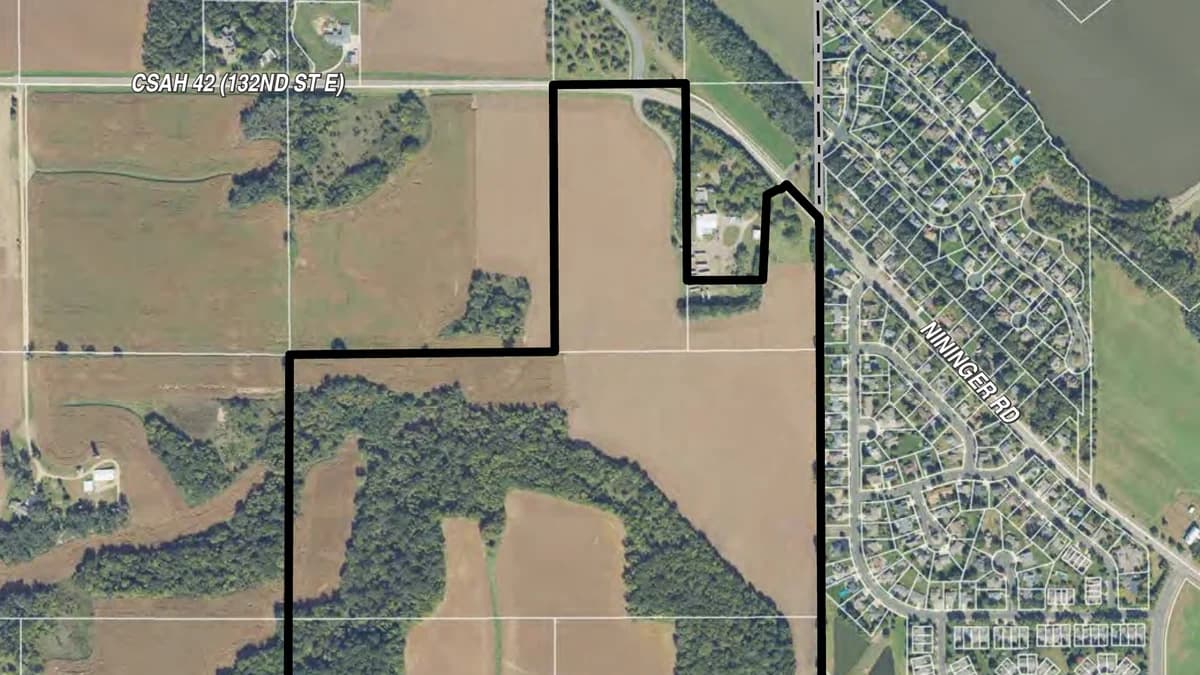
Mo Fishami lives near the proposed Farmington site and has a career in data center network design for Fortune 500 companies. His main points: when fully operational, the Farmington data center will use more water than the entire city uses on an average day. Water demand peaks in summer — the same months residents get asked to restrict outdoor watering. The DNR raised concerns about water demand during environmental review, and two months later the city signed a contract obligating up to 2.93 million gallons per day to the developer. Many residents east and south of the proposed site are on shallow wells. Fishami pointed to Elko New Market, where nearby wells ran dry after a bottled-water plant moved in. His warning: "If all of these data centers come to fruition in Dakota County, we're going to have a doomsday scenario in three to five years."
Cathy Johnson, from Castle Rock Township, focused on the economics. She said long-term job promises are a myth, and that data center tax abatements are costing states more than they bring in. She told commissioners the head of the Minnesota House energy committee called the Farmington project "the least sensible" she had ever seen — it sits right on the Vermillion River, which is believed to be one of the only breeding trout streams in the Twin Cities metro. Johnson is chair of the Coalition for Responsible Data Center Development in Farmington, a group that has become a recognizable voice on this issue at the state level.
Kathy Pritchard from Rosemount kept it short: the city's wellhead protection plan expired in 2022 and was extended to 2028. She wants that plan finalized before any more data center development happens in Rosemount.
What the County Actually Can and Can't Do
Valerie Neville from the county's environmental resources department walked through the authority map. The answer was uncomfortable but straightforward.
What the county can do: Comment on environmental review documents. Regulate new non-community wells. Regulate commercial hazardous and solid waste generation (so data center battery and electronics disposal is on the county's radar). Monitor groundwater through the county's groundwater plan.
What the county can't do: Approve or deny data center projects. Regulate groundwater use. Regulate municipal water systems — that's the Minnesota Department of Health. Do land-use planning for the cities. Since 1978, Dakota County has uniquely delegated full planning and zoning authority to its townships, meaning even unincorporated areas don't go through the county board for development.
As Commissioner Mike Slavik put it during the discussion, the board's chosen lane on business regulation is infrastructure and tax competitiveness — not permit gatekeeping. That's a choice, but it's a long-standing one.
The Money on Meta Rosemount
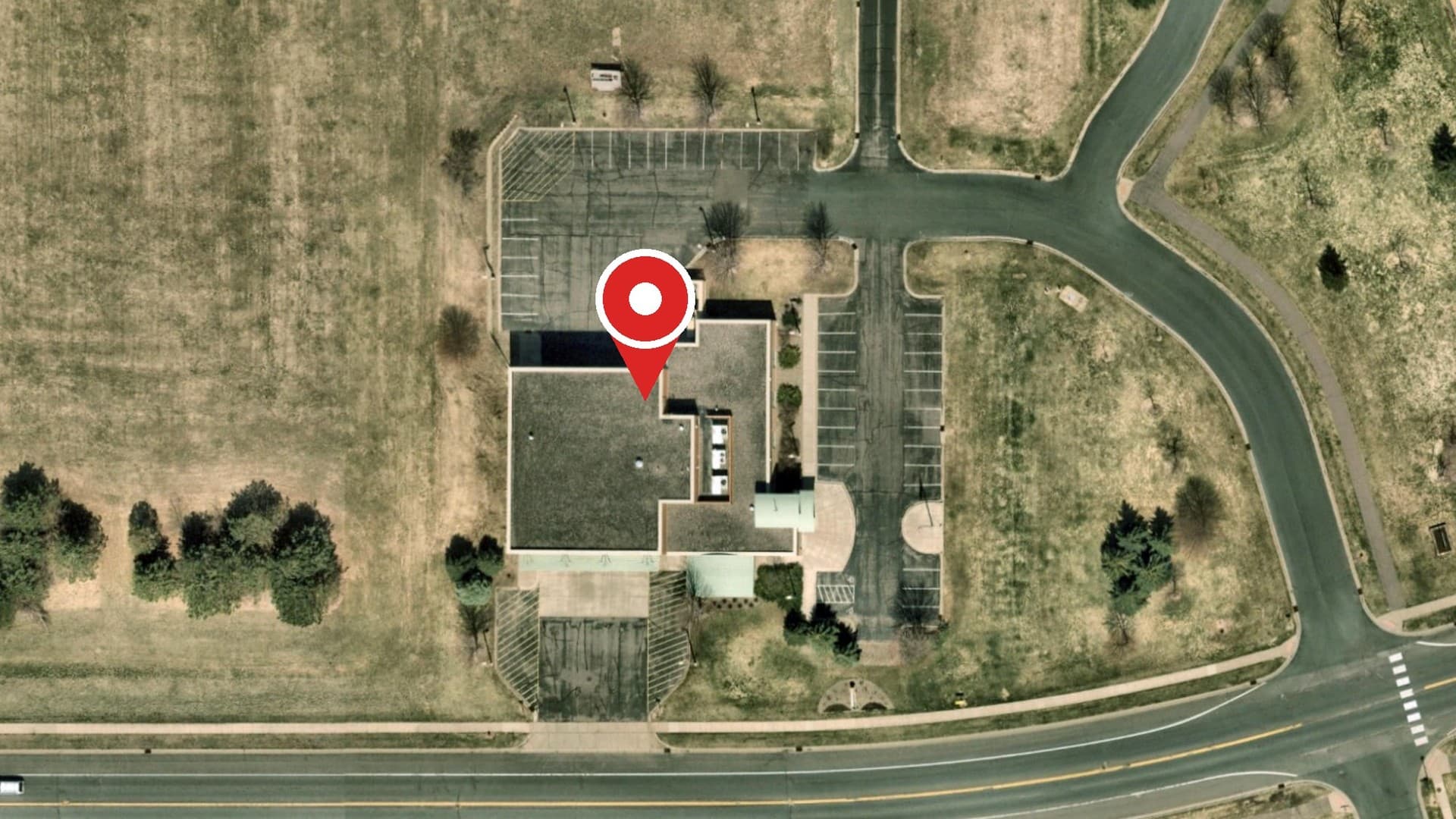
Tom Nelson from the county assessor's office walked through the tax picture on the Meta Rosemount data center — the 715,000+ square foot facility under construction near Dakota County Technical College. It's the first hyperscale data center in Minnesota.
Here's the progression:
2025 assessed value: about $26 million (land only, construction underway)
2026 total taxes: roughly $757,000
January 2026 assessed value: $75.7 million (partial building)
2027 total taxes (estimated): about $2.14 million
January 2027 projected value: $91.78 million (complete)
2028 total taxes (projected): about $2.6 million
When Commissioner Halverson asked whether those totals were just county taxes, Nelson clarified that it's the total property tax bill — county, city, school district, state, and Met Council combined. The county's slice is a fraction of that.
The Pushback from Inside the Room
Commissioner William Droste gave the sharpest counter-argument of the day. He represents Dakota County on Greater MSP, the regional economic development consortium. His view: Minnesota is already losing. He cited Eli Lilly choosing Kenosha County, Wisconsin for a $34 billion pharmaceutical project over Minnesota, and noted that many southwest states with desert climates have many more data centers than Minnesota does despite less water.
Droste also made a point about consumption context — there are six or seven golf courses in Dakota County, and per Minnesota Golf Association figures a single course can use 25-50 million gallons of water a year, much of it mixed with chemicals and then washed into storm drains.
"Our message here is any development that utilizes water... the flag here is don't come here," he said. "If we continue down to be alarmed on any water usage — that means our growth as a region is going to not change."
Chair Laurie Halverson quietly reminded the board midway through that nothing on the agenda was up for a vote.
The Bottom Line
If you have concerns about a specific data center project, the county is not your main pressure point. Depending on the city, the place to be is your city council meeting, your planning commission, or (for unincorporated areas) your township board. For water concerns, the Minnesota DNR water appropriation program is the state-level authority — and as of 2025, a new law lets them demand extra information from any data center projected to use more than 100 million gallons of water per year. For drinking water safety in cities, it's the Minnesota Department of Health.
The county can still play a convener role and comment on environmental reviews, and Chair Halverson said she saw that as part of the board's informal job even when regulatory authority sits elsewhere.
FAQ
Did the county actually approve anything on Tuesday?
No. The data center item was strictly informational. No vote, no resolution, no action.
Why can't Dakota County just pass a moratorium like other counties have?
Because land-use authority is with the cities and townships in Dakota County — the county doesn't have planning and zoning authority to moratorium. Counties in other parts of Minnesota and other states that have passed moratoriums usually do have that authority.
Who actually decides whether a data center gets built?
The city council (or township board) where the project is proposed. They issue the zoning approvals and sign the water service agreements. After that, state agencies like the DNR, MPCA, and MDH handle water and environmental permitting.
What about the 100 million gallon DNR threshold?
The 2025 Minnesota Legislature passed HF16, which lets the DNR require extra review and conditions for any data center expected to use more than 100 million gallons of water per year. It's a new tool — and all the large-scale projects currently proposed in Dakota County would likely trigger it.
How much water does Meta's Rosemount data center actually use?
Meta has said it uses a more efficient cooling technology than the older evaporative designs. Published reporting estimates peak draw around 100,000 gallons per day, though the company hasn't released full operational numbers. Other proposed projects in Chaska and Farmington could use 15 to 24 times more, per Star Tribune reporting cited by the Minnesota Reformer.