Dakota County Just Built a 5,000-Sq-Ft Greenhouse to Grow 100,000 Native Plants a Year
TLDR
Dakota County just opened a brand-new 5,000-square-foot greenhouse at Lebanon Hills Regional Park in Eagan
The facility triples the county's native plant production to over 100,000 plugs per year
The program started in 2017 with staff growing plants on windowsills — now it's one of the most ambitious county-level restoration operations in the state
These plants are restoring prairies, woodlands, and savannas across nearly 2,000 acres of parkland
If you've hiked Lebanon Hills Regional Park lately, you've probably noticed patches of restored prairie popping up where thick buckthorn used to choke out everything else.
There's a reason those restorations keep getting better. And now there's a brand-new building behind them.
Dakota County just opened a 5,000-square-foot greenhouse at Lebanon Hills — and it's a big deal for the south metro. The facility triples the county's native plant production capacity to more than 100,000 plugs per year. That's enough plants to restore roughly 10–13 acres of prairie and woodland habitat every single year.
From Windowsills to a Full-Scale Greenhouse
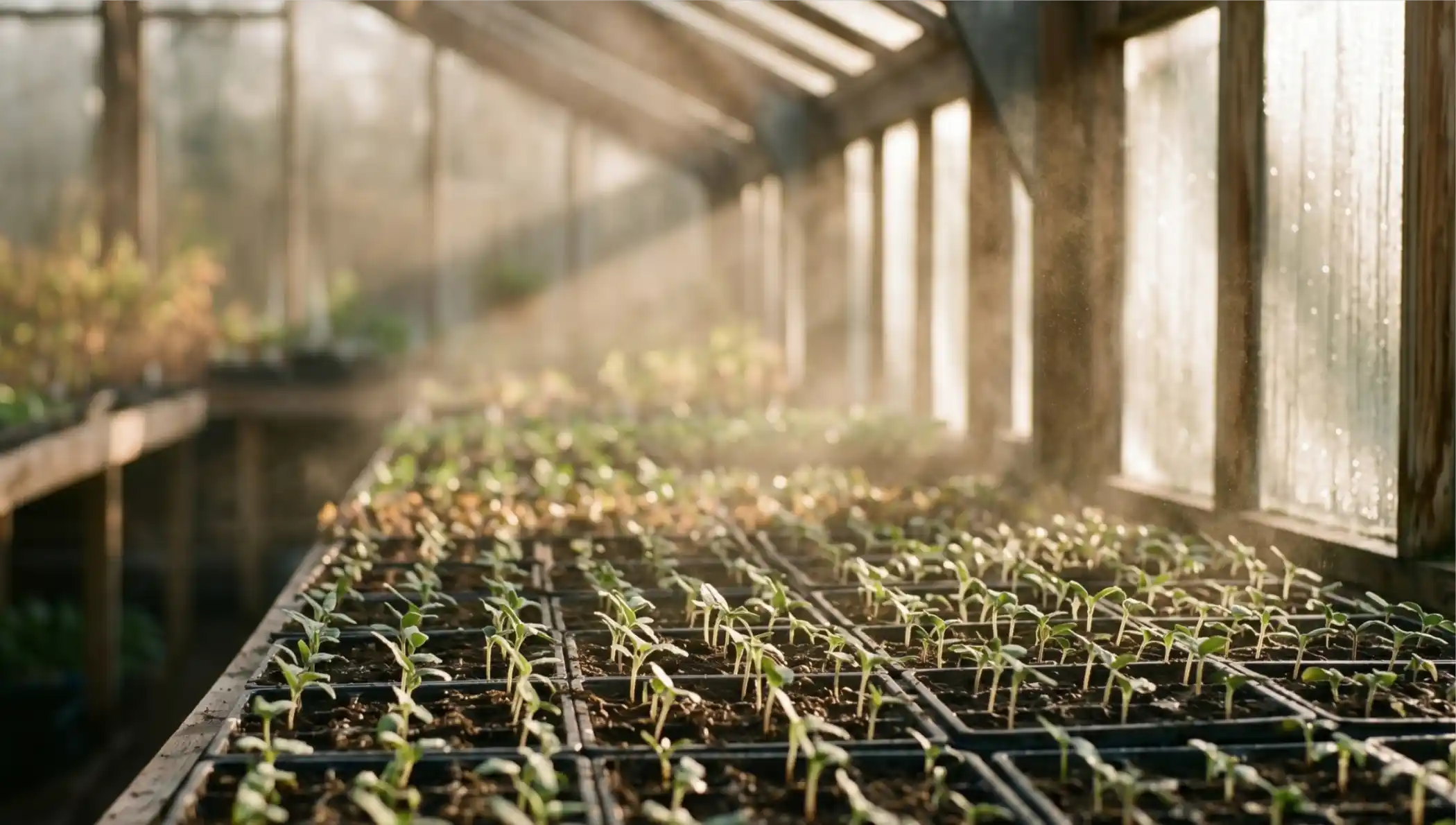
The county's native plant propagation program started in 2017 as a small, grassroots effort. Staff and volunteers were literally growing native plants on windowsills and in temporary hoop houses at the park.
The focus from the start was on locally adapted species — the uncommon plants that are critical for ecological restoration but nearly impossible to buy from commercial nurseries.
Here's why that matters: most commercial growers stick with species that are easy and profitable to produce. The rare natives that Dakota County actually needs for its restorations — plants adapted to local soil, climate, and ecosystems — don't make financial sense for a business. A county cost study found that 10–25% of plugs ordered from outside suppliers never even show up due to crop failure.
So Dakota County decided to grow them in-house.
Volunteers have been central to the operation from day one. They help at every stage — collecting seeds from remnant prairies in the county park system, sowing them in trays, transplanting seedlings, and eventually planting plugs back into the ground at restoration sites.
What the New Greenhouse Changes
The greenhouse is part of a larger $26.5 million maintenance facility project at Lebanon Hills. It includes a climate-controlled head house where staff, volunteers, and Dakota County Master Gardeners can work year-round with lab equipment and propagation tools.
Before this, production was capped by what hoop houses could handle — seasonal structures without real climate control. The new setup means the county can grow more species, grow them more reliably, start earlier in the season, and scale up to meet the restoration demand across its parks.
The numbers tell the story. The county's cost analysis projected the large greenhouse would produce roughly 145,000 plugs annually at about $1.69 per plug — with a positive return on investment in under five years.
The Dakota County Master Gardeners also get dedicated space in the greenhouse to propagate plants for their popular annual plant sale in Apple Valley.
Why It Matters for the South Metro
Lebanon Hills Regional Park spans nearly 2,000 acres across Eagan and Apple Valley — making it the largest park in Dakota County. But decades of fire suppression and invasive species (especially European buckthorn) degraded much of the park's natural habitat.
Dakota County's Natural Resource Management Plan, adopted in 2019, laid out a 20-year vision to restore the park's prairies, oak savannas, woodlands, and wetlands. The greenhouse is the engine that makes that vision realistic at scale.
The restored areas aren't just prettier — they support wildlife that was disappearing from the south metro. Oak savannas and native prairies are habitat for species like red-headed woodpeckers, brown thrashers, and the federally endangered rusty patched bumblebee. Less than 2% of Minnesota's original native grassland habitat remains.
Every plug that comes out of this greenhouse is grown from locally collected seed. That's not a small detail — it means the plants are genetically adapted to Dakota County's specific soil and climate conditions, giving restorations a much better shot at long-term success.
The Bigger Picture
Dakota County isn't the only entity investing in native plant infrastructure. The Minnesota Oak Savanna Chapter of The Prairie Enthusiasts — a new chapter covering Dakota, Scott, and surrounding metro counties — has been building momentum around prairie and savanna restoration education in the Twin Cities since launching in 2025.
And cities like Burnsville already run their own native plant markets encouraging residents to grow native species in their yards.
But a county-operated greenhouse producing 100,000+ plugs per year from locally sourced seed? That's a different scale entirely. It turns ecological restoration from a project-by-project effort into a sustained, self-sufficient program.
The Bottom Line
This greenhouse is one of those quiet investments that most residents will never see — but the effects will be visible across every Dakota County park for decades. More native prairie. More oak savanna. More habitat for the birds, bees, and wildlife that depend on it.
If you want to get involved, Dakota County runs a volunteer propagation program where you can help with seed sowing, transplanting, and container prep at the Lebanon Hills greenhouse during growing season.
FAQ
What's a native plant plug?
A plug is a small seedling grown in a tray cell — basically a baby plant ready to be transplanted into the ground at a restoration site. Think of it like a starter plant you'd buy at a garden center, but specifically grown from locally collected seed.
Why does Dakota County grow its own plants instead of buying them?
Commercial nurseries tend to grow species that are easy and profitable. The rare, locally adapted species the county needs for restorations often aren't available — or they're too expensive and unreliable at scale. The county found that 10–25% of commercially ordered plugs never materialized due to crop failure.
Where do the seeds come from?
Staff and volunteers collect seeds from remnant native plant populations within Dakota County parks and green spaces. Using local seed ensures the plants are genetically adapted to the area's specific conditions.
Can regular people buy plants from this greenhouse?
The greenhouse primarily serves the county's internal restoration needs. However, the Dakota County Master Gardeners propagate plants in the same facility for their annual plant sale each May in Apple Valley.
How can I volunteer?
Dakota County runs volunteer sessions at the greenhouse and hoop houses, typically on Tuesdays and Thursdays during growing season. Tasks include seed sowing, transplanting seedlings, and organizing containers. Sign up through the county's volunteer portal.