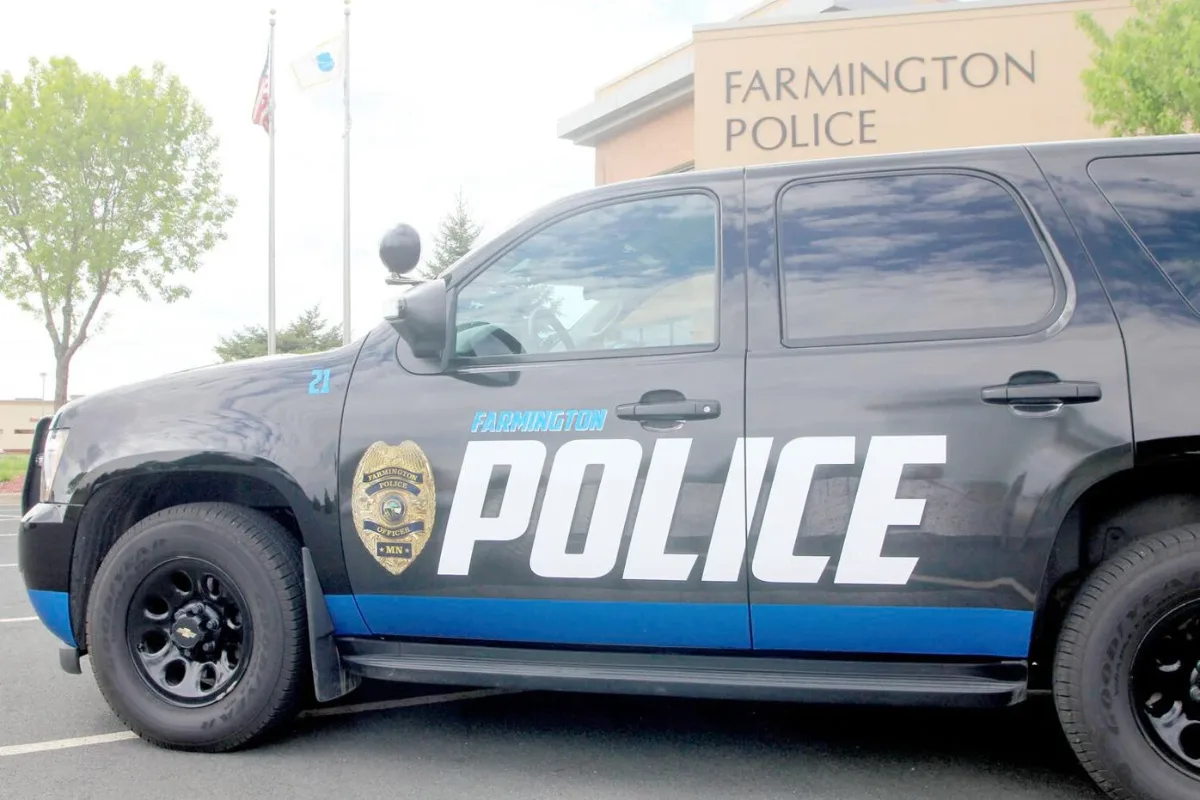
Farmington Just Made Room for Downtown to Grow. Here's What the New Downtown Expansion District Means for You
Farmington Just Made Room for Downtown to Grow. Here's What the New Downtown Expansion District Means for You
TLDR
- On Sept. 21, the Farmington City Council voted 4-1 to create a new Downtown Expansion district on the blocks around the downtown core.
- Homes in the district can stay homes forever. Nobody has to sell, move or change anything.
- New businesses can only go next to existing businesses or on corners where businesses already exist.
- Council Member Steve Wilson voted no, worried about fast food and other businesses ending up next to homes.
Downtown Farmington has room to grow now. On Monday, Sept. 21, the Farmington City Council approved a new Downtown Expansion district as part of a bigger rewrite of the city's zoning code. It passed 4-1.
If you own a home, run a business or live a block or two from downtown, this one's for you. Here's what changed, who it affects and what it doesn't do.
What Is the Downtown Expansion District?
Zoning is the set of rules for what can be built where. Until now, downtown Farmington had two main zones. One was the core business area. The other was the homes around it.
The new Downtown Expansion district sits between them. It covers the blocks right next to the downtown core. On the city's new zoning map, it shows up in a lighter red or pink around the darker red downtown core.
The idea is simple. Let downtown grow outward slowly and in a way that makes sense, one block at a time, as property owners choose.
Everything allowed in the downtown residential zone or the downtown core is allowed here. That includes:
- Single-family homes, duplexes and townhomes
- Apartments
- Shops, restaurants and offices
- Mixed-use buildings (like apartments above a storefront)
The Big Catch: Businesses Can't Pop Up Just Anywhere
This is the part that matters most. A new business in the Downtown Expansion district can only go:
- Next to an existing business, or
- On a street corner where businesses already exist.
So a coffee shop can't land in the middle of a quiet block of houses. Businesses have to grow out from what's already there. The consultant, HKGi, said the goal was to avoid "different commercial uses kind of pop up everywhere."
If You Own a Home in the District
Nothing changes unless you want it to.
Council Member Holly Bernatz put it plainly: "You do not have to leave. You don't have to move. You do not have to sell. You don't have to sell to a commercial buyer."
Council Member Phil Windschitl asked what happens when someone sells their house. The answer: it can still be sold as a house, and the next owner can still live in it.
The only difference is if your property is next to a business. Then it has more options for how it could be used down the road. If you're not next to a business, Bernatz said, "it doesn't affect you one way or the other."
If You Want to Open a Business There
If you're on an eligible lot, there are some design rules to keep that classic downtown feel:
- Build close to the street. At least 60% of the lot's street side needs a building within 15 feet of the property line.
- Less parking required. Every use needs at least two parking spots. If your business would normally need more than five, you only have to provide half.
- Driveways off the alley. Or off the smaller street, if there's a choice.
- Screening next to homes. Businesses and bigger apartment buildings need screening where they border houses.
- Downtown design rules apply. The Downtown Commercial overlay (extra design rules on top of the regular zoning) now covers this district too. It sets rules for building materials, awnings and parking.
Homes in the district follow the downtown residential rules. Businesses follow the downtown core rules.
It's a good fit with the new businesses already putting down roots downtown, like Salaam Global Flavors Grocery on Elm Street, and the city's push to back local businesses with matching grants.
If You Live Next Door
This is where the council didn't all agree.
Council Member Steve Wilson voted no. "I really have to take a long-term view of the community," he said. "When my kids are coming to visit me at the cemetery... the city is going to outlive any one of us."
His biggest worry is fast food. Fast food restaurants are a conditional use in the new district, which means they're allowed if they meet certain conditions. "I love Chipotle," Wilson joked. But he pointed out that if a developer meets those conditions, the city can't legally say no.
He said he'd feel different about a donut shop with walk-up traffic and short hours. But he said he can't pick between a boutique, a children's toy store or a fast food restaurant, because they're all essentially allowed. "That's the consequence I worry about," he said. He'd rather have waited until after the city's 2050 Comprehensive Plan.
Mayor Nick Lien said the council heard "10 different opinions about everything" while working on this. He said the council has been clear that it wants more room for business in Farmington, and this was a logical way to do it.
Why Now?
The city hired its consultant in September 2024. The work was paid for with federal COVID relief money (known as ARPA), which has a deadline to be spent. The planning commission held a public hearing on Sept. 9 and recommended approval 5-0. You can read about the planning commission's review.
City staff expect more changes once the 2050 Comprehensive Plan (the city's big long-range growth plan) is done. The council has asked "100 times," in staff's words, for more commercial land on that future map.
The Other Zoning Changes, Quickly
The Downtown Expansion district was the headline, but the same vote made a few other changes:
- New names. B2 is now DC (Downtown Core). RD is now DR (Downtown Residential). B3 is now B2. Spruce Street Mixed Use is now MUCR.
- A data center mix-up was fixed. A draft accidentally allowed data centers in the new MUCR district, left over from the old Spruce Street rules. Staff removed it before the vote.
- Design rules go citywide. The Highway 3 and Spruce Street overlays are gone. Their rules now apply to all new apartment, mixed-use and business buildings in Farmington.
- An easier-to-read code. It went from 6 chapters to 11.
It's not the only rezoning Farmington has tackled this year. Back in May, the city rezoned land near Pilot Knob for industrial use.
The Bottom Line
If you own a home near downtown Farmington, you don't have to do anything. If you're next to an existing business, you, and your neighbors, now have more options for the future.
Want to know if your property is in the district? Check the city's new zoning map, or call the Planning & Zoning department. The updated rules will show up in the city's online code library. And expect this conversation to come back when the 2050 plan hits the council.