From 150 Bushels to 1,600: The Story of Carpenter Nature Center's Apple Orchard
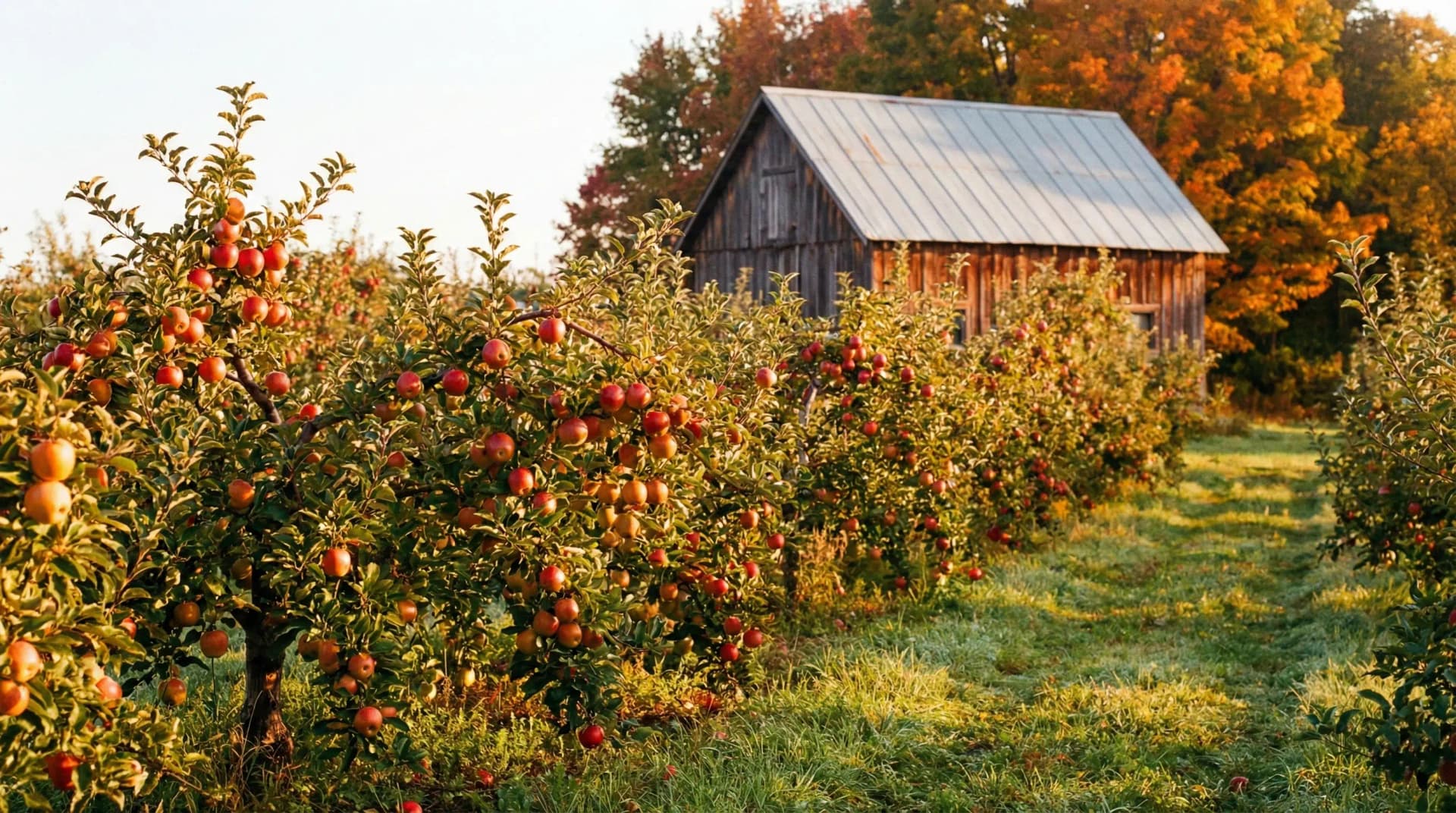
Every fall, thousands of South Metro families make the trip to Carpenter Nature Center's apple orchard in Hastings. They pick apples with their kids, grab a pumpkin, press fresh cider, and take home a bag of Honeycrisps.
What most people don't know is how close the orchard came to disappearing — and how much work it took to get from a few hundred bushels a year to the thriving operation it is today.
We heard the full story from Mayme Johnson, who started working at Carpenter in 1987 — when those original Carpenter trees were already 40 to 50 years old — and watched the whole arc play out over nearly four decades. She shared it in a recent 45th anniversary presentation that Hastings Community Television posted on YouTube. Here's the orchard chapter.
It Started with 9,000 Trees
When Tom Carpenter bought land along the St. Croix River starting in 1937, his plan was fruit production. He planted apple trees everywhere — on the hillsides, in the fields, down toward the river. Mayme said estimates put the total somewhere between 7,000 and 9,000 full-size trees.
Tom was serious about apples. He judged apple competitions at the Minnesota State Fair. He was known around St. Paul as the apple expert. When customers opened new savings accounts at First Federal Savings — where Tom sat on the board — they got a bag of apples from Carpenter Orchard. That was the deal.
When the Carpenter Foundation opened the nature center in 1981, those old trees were already 40 to 50 years old. Staff inherited the orchard along with the property — and the work that came with it.
The Hard Years
Old apple trees don't last forever. Through the 1980s, the original trees started dying off. The nature center began a nursery program — grafting and budding new trees to replace the ones they were losing. They were experimenting with pears, plums, apricots, peaches, and walnuts too. Mayme said she doesn't know what happened to most of those, but the records show they tried.
But there was a gap. The old trees stopped producing before the young ones were ready.
In 1991, Carpenter Nature Center had no apples to sell. Mayme remembered it clearly. Staff were running orchard classes for school groups — and had to go borrow apples from neighboring farms just to have something to show the kids.
They also learned a hard lesson about rootstock. Most of the early replacement trees had been grafted onto the same rootstock. When a problem hit that rootstock, it hit the entire orchard at once. The solution was to plant a mix of rootstocks and stagger plantings over several years — so the orchard would always have trees at different stages of maturity.
The Deer Problem
In 1999, staff planted 150 new young trees. By the following spring, they were all gone. Deer had wiped out the entire planting overnight.
The orchard fence went up in 2000. It's been there ever since.
Where It Is Today
The current orchard was planted from trees the nursery program developed starting in 1988. Those trees have since been replaced and replanted again as the team refined their approach.
Today, Carpenter Nature Center grows 19 producing varieties plus three more in young trees that aren't producing yet. Last year's harvest was 1,600 bushels. The typical year brings in 1,000 to 1,200 bushels. Honeycrisp — the apple developed by the University of Minnesota and now the state's most popular variety — is front and center, though it's joined by plenty of other Minnesota-suited varieties.
The apple press still running at the orchard today dates back to the Carpenter family days — before the nature center even opened. It's been pressing cider for longer than most of us have been alive.
If you're planning a fall visit, the South Metro fall adventure guide has other great spots to pair with a Carpenter orchard trip. And if you're the type who likes to stock up on locally grown food year-round, our complete guide to South Metro farmers markets is worth bookmarking.
The orchard is one of the best reasons to make the drive out to Hastings in the fall — and now you know what it took to get there.
Advertisement