Apple Valley Just Paused All New Data Centers for a Year. Here's What That Actually Means.
TLDR
On July 9, 2026, the Apple Valley City Council passed a one-year moratorium on data centers
It blocks new data centers, expansions of existing ones, and land development for proposed ones, citywide
The council also approved a formal study of water, power, noise, and traffic impacts
The city already denied a million-square-foot data center campus earlier this year
Six other Minnesota cities have done something similar, including Rosemount and Eagan
Apple Valley put a hard stop on data centers Thursday night. The city council held a public hearing and then passed both a study resolution and a moratorium ordinance at its July 9, 2026 meeting. For the next year, nobody is building a data center in Apple Valley.
What the Council Actually Did
Two separate actions, back to back.
The first was a resolution authorizing an interim use study on the planning, development, and regulation of data centers. That's the city telling its own staff to go research the thing properly.
The second was the moratorium itself. An interim ordinance under state law, which Community Development Director Tim Benetti described as the council's power to temporarily pause certain land use decisions. Neither vote drew opposition. The council also waived the second reading, which means the rule took effect immediately instead of waiting for another meeting.
The ordinance covers three things: no new data centers, no expansion of existing data centers, and no developing property for a proposed data center. It applies to every property in Apple Valley.
A Pause Is Not a Ban, and It's Not a Green Light
This is where people get tripped up, and one resident said so out loud at the podium.
She asked why Apple Valley would even be looking at this when Rosemount already has a huge one going in. Is there a need for one in every city?
Mayor Clint Hooppaw explained that cities don't get to pick who builds where. They decide what kinds of uses are allowed on what land. Then he got more direct: "To the contrary, this pauses any kind of data center development for a year while we study it."
So the moratorium isn't the city inviting data centers in. It's the city freezing everything so it can rewrite the rulebook first. And at the end of the study, the city can either change its rules or decide the existing ones were fine all along.
Where Data Centers Are Allowed in Apple Valley Right Now
Here's the part most residents don't know. Apple Valley's code already allowed data centers in two places.
One is a small planned development district covering the remnant parcels near Menards, each around three and a half acres. Benetti said staff only discovered this while researching the Apple Valley Technology Park application, the one that got denied.
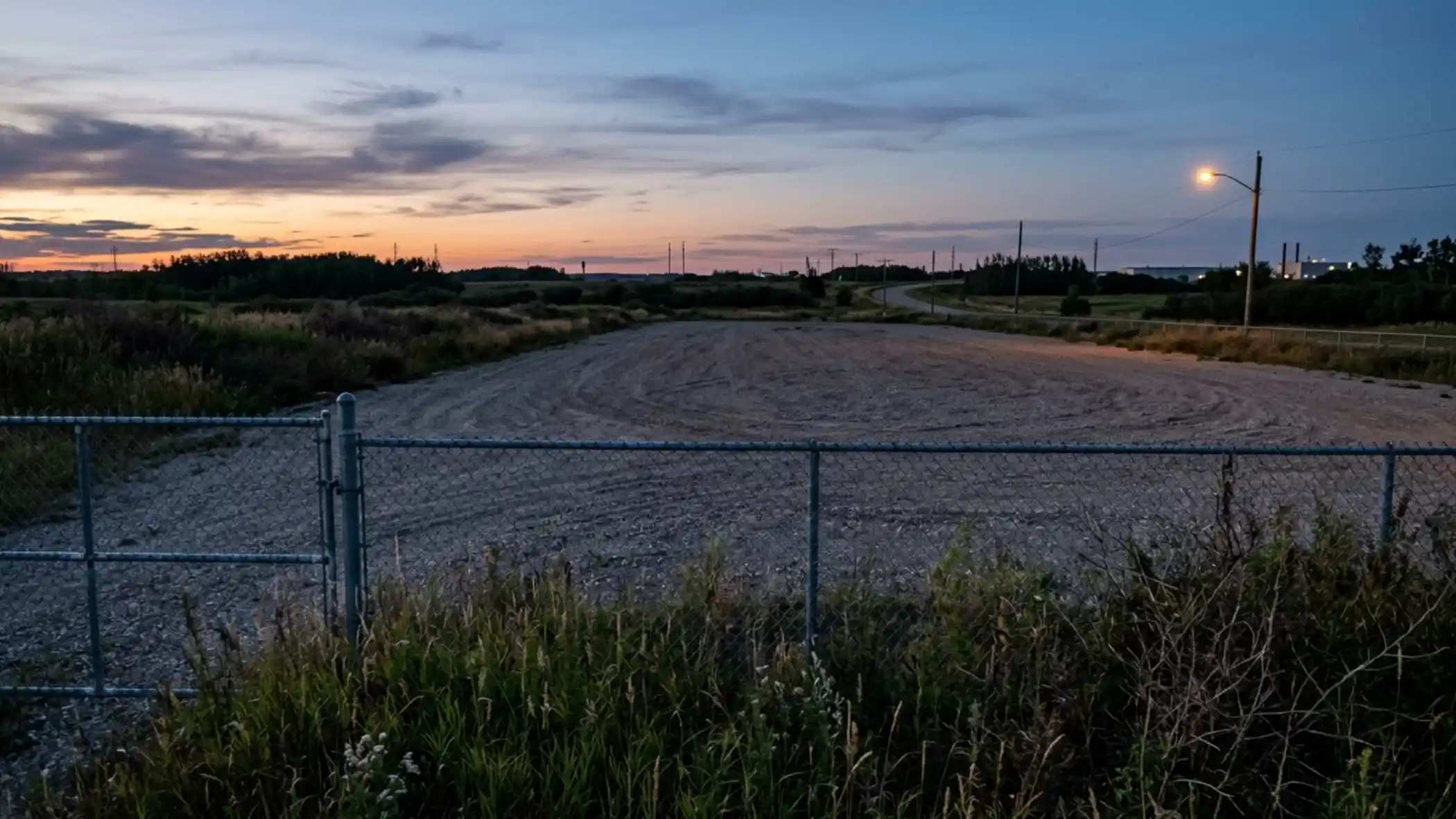
The other is the Mixed Use Business Campus district, a newer zone covering the old AVR gravel pit area where commercial development is now starting to happen. Data centers were allowed there as a conditional use, with rules on setbacks, building materials, height, fencing, and screening.
For Thursday's ordinance, the city attorneys recommended broadening the definition to spell out cryptocurrency mining and AI computing in support of the internet. Language that didn't exist when these districts were written.
Why Now
Two reasons.
The first is what happened at Orchard Place. After 15 months of hearings, Apple Valley rejected a roughly one-million-square-foot, seven-building data center campus on 135 acres of the old Fischer Aggregate site. That process surfaced how much of the city's code hadn't been written with modern data centers in mind.
The second is the neighbors. Benetti listed six cities that have already passed similar moratoriums: Minneapolis, Eagan, Inver Grove Heights, Rosemount, Carver, and Vadnais Heights. Rosemount approved its own one-year pause in April, while Meta's hyperscale campus continues to go up there.
Benetti was blunt about the tradeoff. Data centers generate real property tax revenue but limited jobs. And the newer proposals are enormous. He listed the strain on water supply, groundwater, sanitary sewer, stormwater, and the electrical grid, plus noise, vibration, heat, and traffic. Minnesota is attractive to builders for the cool climate, cheap land, groundwater, a reliable grid, and state sales tax incentives.
What Happens Next
Staff studies. The planning commission and the council both weigh in on what issues matter and how wide the study should go. At the end, staff brings recommendations to the council on new restrictions, new regulations, or none at all.
The moratorium can run up to a year, with a specific end date in the ordinance. The council can shorten it or rescind it at any point. The legal authority comes from Minnesota Statute 462.355, subdivision 4.
The Bottom Line
If you were worried Apple Valley was about to get a Meta-sized facility, this vote is the opposite of that. Nothing gets built for a year.
If you have opinions about what the rules should say when the pause ends, the study period is when to speak up. Planning commission and council meetings are both public, and the city posts agendas and meeting videos online. Next council meeting is Thursday, July 23 at 7 p.m.
FAQ
Is a data center being built in Apple Valley? No. The city denied a large one earlier this year and has now paused all new ones for up to a year while it studies the issue.
Can the city really just stop development like this? Yes. Minnesota law lets cities adopt interim ordinances to pause specific land use decisions while they study whether their rules need updating.
Does the moratorium affect anything already built? It blocks expansion of existing data centers. It doesn't shut anything down.
What is the city actually studying? Water supply, groundwater, sanitary sewer, stormwater, electrical demand, noise and vibration, heat, traffic, and visual impact.
Can the pause end early? Yes. The council can shorten or rescind the moratorium at any time before its end date.
Advertisement